
MUNICIPAL EMERGENCY COORDINATOR
ADVANCED COURSES
PREPARED BY NAPIER CONSULTING
MAMEC’s Advanced Training Courses go beyond the basics of emergency management and offer in-depth training on specialized issues offered by subject matter experts. These trainings are best for emergency coordinators who have completed the MEC Foundation Courses.
Register now:
Participants who complete all 8 Advanced MEC Courses will receive a Municipal Emergency Manager Coordinator Advanced Training certificate
This certificate builds upon the foundational knowledge acquired in the MEC Foundation Courses, increasing participant’s ability to incorporate high-level, complex considerations into their individual emergency programs.
Course List
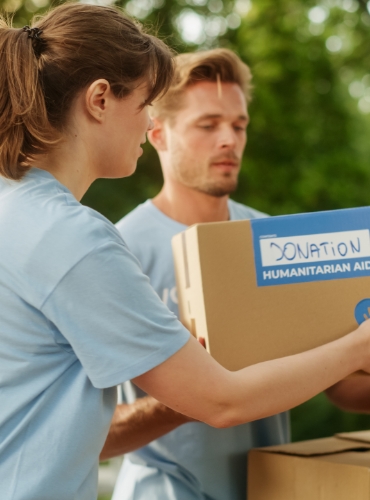
Developing a Municipal Donations Management Plan
Donations from individuals, businesses, community organizations, and volunteers can play a vital role in supporting communities affected by emergencies and disasters. Without effective planning and coordination, however, these generous contributions can quickly become a significant operational challenge. Municipalities that establish donation management processes before an emergency are better positioned to coordinate resources, support affected populations, and reduce the burden on emergency response operations. This course will provide emergency management professionals with the knowledge and practical tools required to develop a comprehensive municipal Donations Management Plan.
During this course, participants will learn:
- The different stages of the donations planning process;
- How to develop and tailor a donations management plan that reflects the needs of your community;
- Best practices for coordinating cash and in-kind donations, spontaneous volunteers, non-governmental organizations, private sector partners, and community organizations;
- How to integrate donations management within your Emergency Operations Centre (EOC), public information strategies, resource management, logistics, recovery planning, and accountability considerations.
- How to emphasize respectful partnerships, community-led decision-making, culturally appropriate support, and collaborative planning with First Nations, Métis, and Inuit communities.

Leadership
Emergency management professionals are often responsible for directing teams, making decisions in times of uncertainty, communicating clearly, and collaborating with partner organizations to ensure a successful emergency response. This course will provide participants with a thorough overview of the fundamentals of effective leadership and the practical skills necessary to guide their emergency response team and support their communities during emergency operations.
During this course, participants will learn:
- The principles of effective leadership;
- Effective leadership best practices;
- How to utilize effective leadership skills (direct communication, conflict resolution, decision-making, etc.) during rapidly evolving response scenarios;
- How to develop leadership capacity within your organization.

Large Scale Event Planning for a Community
Emergency management professionals play an essential part in ensuring the safety of community members and the continuity of essential services during large public events. This course will provide participants with the skills to identify risks, coordinate resources, and ensure that their communities remain safe during large scale community events.
During this course, participants will learn:
- How to conduct a risk assessment for large scale public events;
- The roles and responsibilities of event management and leadership;
- How to tailor an emergency plan to a large scale public event;
- Best practices for collaborating with stakeholders during large scale event planning.

After Action Reviews
After Action Reviews provide emergency management professionals with the opportunity to identify strengths, address gaps, and apply lessons-learned from previous emergency response operations to future planning and preparedness efforts. This course will provide participants with the skills to write structured, thorough After Action Reviews that build institutional knowledge and support the ongoing development of their emergency management programs.
During this course, participants will learn:
- The purpose and importance of After Action Reviews;
- The components of an After Action Review;
- How to develop standards and practices around documenting observations, encouraging reflection, and developing recommendations;
- How to incorporate After Action Review lessons-learned into future planning and preparedness measures.

Meeting the Needs of High-Risk Populations During Emergencies
While emergencies impact all community members, some populations experience greater risks before, during, and after an emergency event. Understanding the needs of high-risk populations is essential for ensuring that all community members are considered in emergency planning, logistics, and response operations. This course will provide participants with the skills to identify high-risk populations, reduce barriers that would otherwise limit engagement, and offer equitable, effective emergency support.
During this course, participants will learn:
- How to identify populations that may require additional support during emergencies and the barriers they face in accessing care;
- The importance of developing equitable, inclusive, and accessible emergency plans;
- Best practices for preserving the dignity of high-risk populations during emergency response and recovery;
- How to utilize community resources that support high-risk populations.

Public Education & Awareness
Public education and awareness initiatives allow emergency management professionals to support community understanding of risks, engagement in mitigation activities, and understanding of emergency response operations before an emergency occurs. This course will provide participants with best practices in developing effective and accessible public information programs that encourage community-wide emergency preparedness.
During this course, participants will learn:
- The importance of public education and awareness campaigns in emergency management programs;
- How to develop clear, accessible messaging for your emergency program needs;
- Best practices for engaging different community demographics;
- How to measure effectiveness of public education initiatives and incorporate lessons-learned for future campaigns.
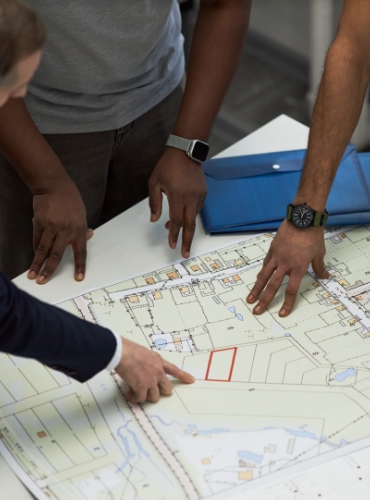
Identifying Critical Infrastructure
This course will provide participants with the core knowledge to identify critical infrastructure in their communities, understand critical infrastructure interdependencies and vulnerabilities, and integrate risk reduction measures into their emergency management planning and programs.
During this course, participants will learn:
- How to identify critical infrastructure, interdependencies, and vulnerabilities within your community;
- How to assess and plan for critical infrastructure risks and service disruptions;
- Best practices for collaborating with critical infrastructure stakeholders.

Community Recovery
Community recovery is the longest and sometimes the most complex element of emergency response operations. Effective community recovery supports communities to restore services and rebuild infrastructure while supporting affected community members and strengthening future preparedness. This course will provide participants with the core knowledge to plan for and coordinate community recovery efforts when active emergency response operations have ended.
During this course, participants will learn:
- The different phases of disaster recovery;
- The roles of different stakeholder groups (municipal and provincial government, community groups, local organizations, etc.) during recovery;
- Best practices for supporting long-term community recovery.
Register Now
Know what course you’d like to sign up for? Fill out the form by clicking the arrow below and submit payment to complete your registration.